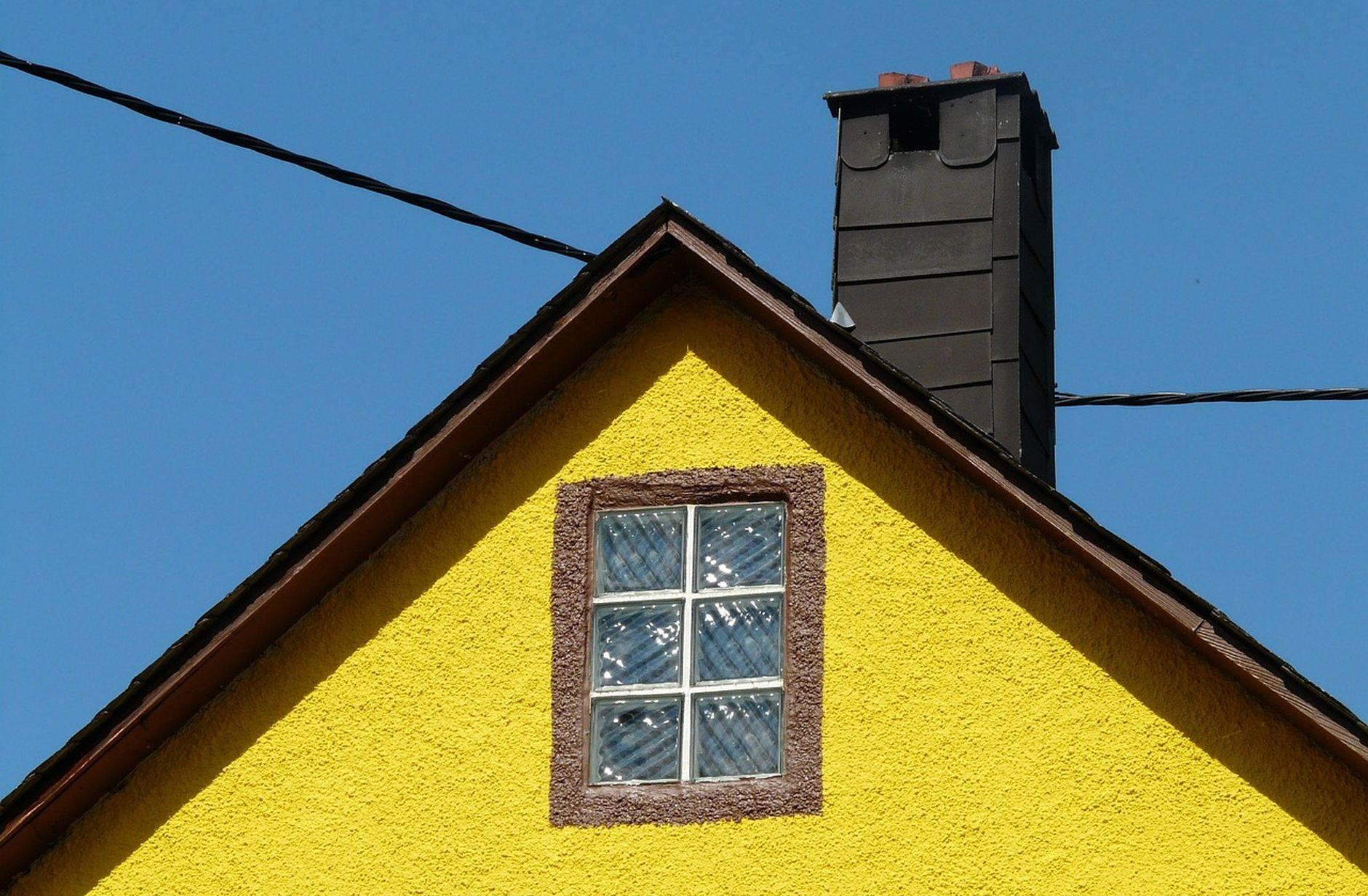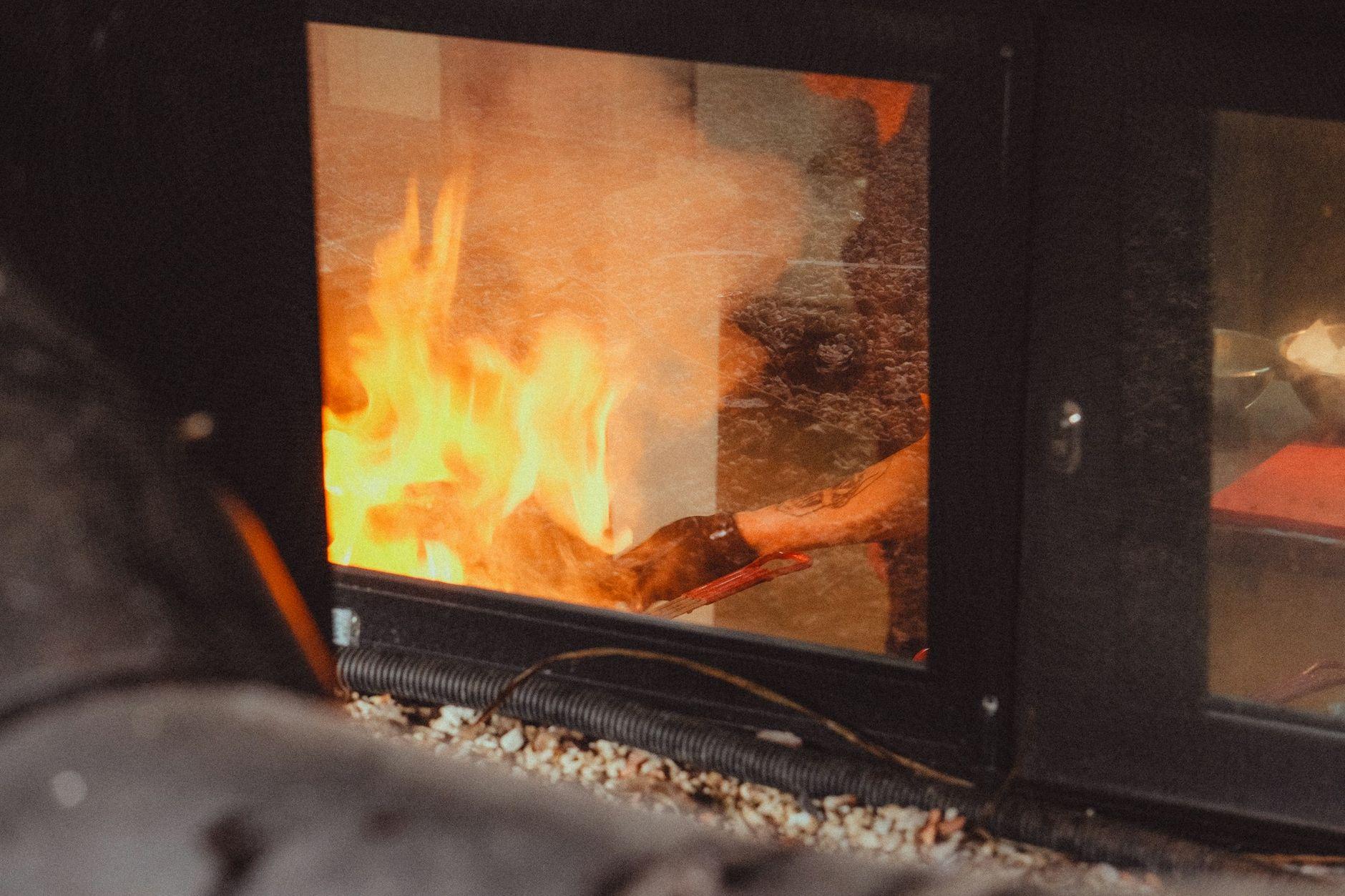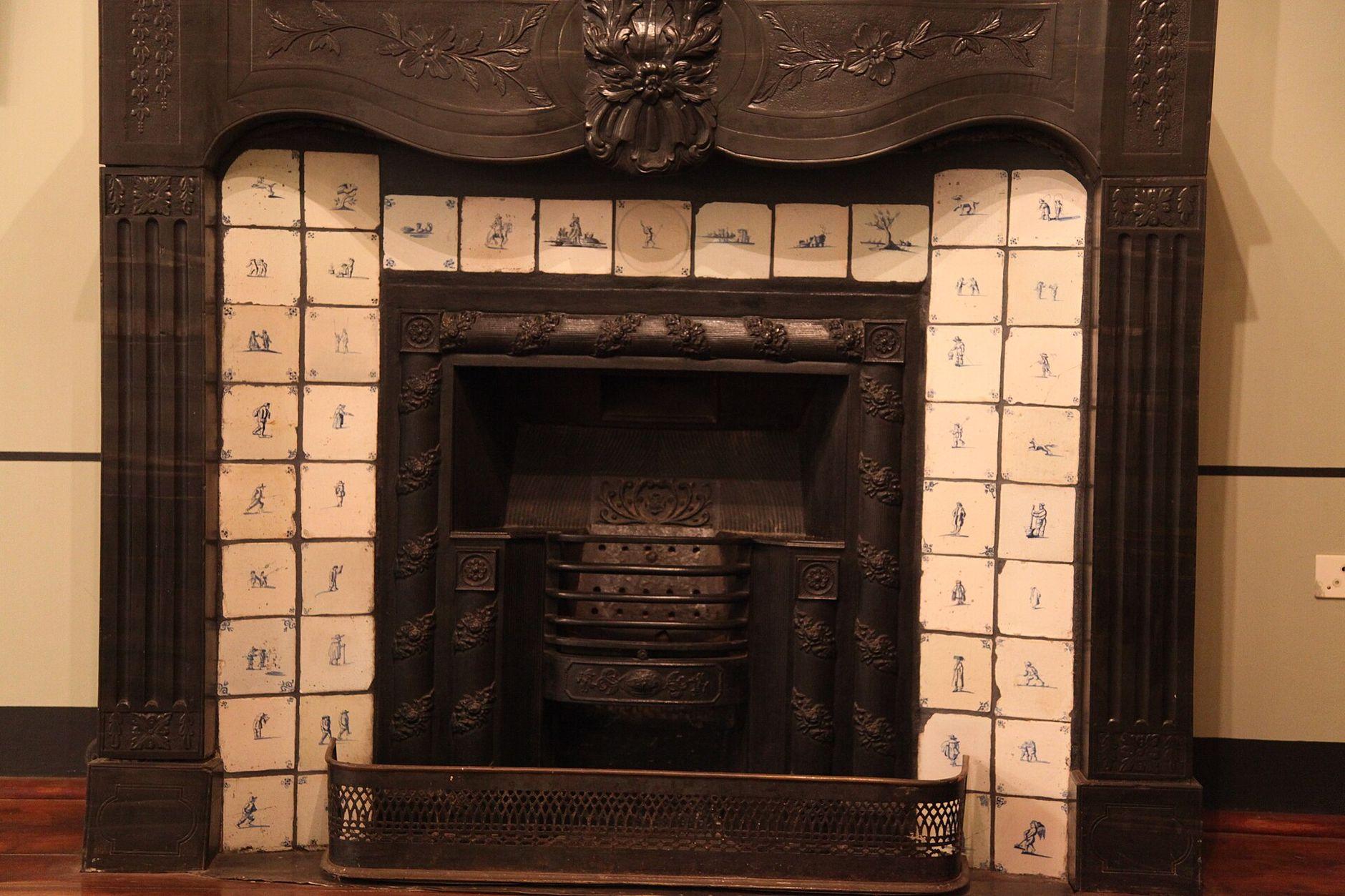


Half appliance, half chimney
People in Thousand Oaks who moved from logs to pellets usually did it for the ease: a bag in the hopper, a thermostat on the wall, no splitting. When one stops working it feels like a broken appliance, and partly it is. The other half is the vent. A choked vent causes more pellet stove shutdowns than any electrical part, which is why a good repair visit always looks at both.
The faults we see most
- Will not start. The igniter has worn out, the burn pot holes are blocked with clinker, or the stove is not getting enough combustion air.
- Starts, burns a while, then quits. A safety switch is doing its job. The draft sensor trips when the vent or the exhaust passages are packed with ash, and the high temperature limit trips when the room fan is failing.
- Full hopper, no fire. Pellets are not reaching the burn pot. Fines and sawdust at the bottom of the hopper jam the feed, the feed motor wears, or a shear pin has snapped.
- Grinding or squealing. Worn bearings in the room fan or the exhaust fan.
- Smoke smell or a dark mark on the wall outside. Vent joints that have opened up or lost their seal.
Most of these are parts and cleaning. Few of them mean the stove is finished.
What to look for in whoever you hire
Pellet stoves sit between two trades, and a visit from someone who only does one half often fixes the symptom and misses the cause. When you book, it is fair to expect:
- The vent cleaned and checked, not just the part swapped. A new igniter in a stove with a blocked vent will fail the same way next month.
- The fault named before parts are ordered. You should hear what failed and why, and see the old part.
- The price written before the work. If a part has to be ordered, the figure should be on paper first.
- A straight answer on age. If your model is old enough that parts are hard to find, you should hear that before money goes in.
- A look at the outside. The vent cap, its distance from windows and doors, and whether the termination is blocked by plants or a nest.
That is how we run our pellet stove repair visits.
What sets the price
We do not publish one figure for pellet stove repair, because the fault decides the job. A cleaned burn pot and a new igniter is a short visit. A failed control board on a model the maker has stopped supporting is not. What moves the price:
- which part has failed, and whether it is stocked or ordered;
- how much of the stove has to come apart to reach it;
- whether the vent run needs cleaning, which we price as its own line;
- how long the vent is and how it leaves the house.
So the useful first step is a description. Tell us about the stove and the fault: the brand, what it does from a cold start until it stops, and any code on the display. With that we can usually tell you what we expect to find and what it is likely to involve, then write the price for that stove.
Pellets and the coast
Pellet quality matters more than people expect. Bags kept in a damp garage swell, crumble and turn to fines, and fines are what jam the feed. Houses closer to the coast, around Port Hueneme and Malibu, see more of this because of the marine air. Keeping bags off the floor and sealed helps the stove more than most repairs do.
Ash content matters too. Cheap pellets leave more ash and more clinker in the burn pot, which means more starting faults and more vent cleaning.
Repair, or time for something else
Most pellet stoves we see are worth fixing. A stove that has needed three repairs in two seasons, or one whose parts are no longer made, may not be. When we reach that point we say so and set out the options:
- A newer pellet stove on the existing vent, if the vent is sound.
- A wood stove or insert, for people who have access to seasoned wood and do not mind the work; see our post on wood stove repair and replacement.
- A gas insert in an existing fireplace opening, at $2,800 to $5,650 installed; the wood and gas insert comparison covers the trade.
Yearly service keeps the calls down
A pellet stove that gets a full clean once a year, with the vent brushed, the exhaust passages cleared and the fans checked, breaks down far less often. Book that clean before the first cold week, while the stove is still sitting idle from summer and any dust, spider webs or nest in the vent can be cleared before it matters. A stove that starts the season clean also tells you something: if it still trips its safety switches after a full service, the fault is in a part, not the ash, and the repair visit can go straight to it. Our chimney sweep visits cover pellet vents as well as wood flues.
We work on pellet stoves across Thousand Oaks and the wider service area. When yours is acting up or due for its yearly clean, the contact page is the place to start.
Sounds Like Your Stove?
Covington crews brush flues, fix woodstoves and get pellet units feeding again from Thousand Oaksto Canoga Park, Malibu and Port Hueneme. Any repair figure reaches you in writing first.